2026 में ₹20 लाख निवेश कैसे करें?
Complete Step-by-Step Plan
Equity, Debt, Gold और Emergency Fund — चारों asset classes में smart allocation के साथ अपने ₹20 लाख को कैसे बढ़ाएं, जानें पूरी strategy।
📋 इस Article में क्या-क्या है?
1. ₹20 लाख निवेश — यह अवसर क्यों खास है?
₹20 लाख — यह कोई छोटी रकम नहीं है। लेकिन सवाल यह है कि इसे बैंक की FD में रखें, या कहीं और? अगर आप इसे सही जगह invest करते हैं, तो 10-15 साल में यही ₹20 लाख ₹60-80 लाख तक बन सकते हैं। और अगर गलत decision लिया — तो inflation इसकी purchasing power हर साल खाती रहेगी।
2026 में निवेश करना अलग क्यों है?
2026 की आर्थिक परिस्थितियाँ पिछले कुछ सालों से काफी अलग हैं:
- Inflation का दबाव: RBI ने 2025-26 में inflation को 4.5-5% के आसपास रखने की कोशिश की है, लेकिन food और fuel prices volatile हैं।
- Interest Rates: RBI के repo rate में बदलाव का सीधा असर FD और Debt Fund returns पर पड़ता है।
- Global Market Volatility: US economy, geopolitical tensions और dollar index का असर Indian markets पर भी दिखता है।
- Digital India की बढ़त: Fintech और new-age sectors में growth के अच्छे अवसर हैं।
2. Goal-Based Investing — पहले लक्ष्य तय करें
बिना लक्ष्य के invest करना वैसा ही है जैसे बिना destination के सफर करना। ₹20 लाख invest करने से पहले खुद से पूछें:
Short-Term Goals (1-3 साल)
- घर की down payment
- बच्चे की school fees
- विदेश यात्रा या wedding
Strategy: इन goals के लिए Debt Funds, FD, Liquid Funds — capital protection जरूरी।
Medium-Term Goals (3-7 साल)
- Car खरीदना
- Higher education fund
- Business start करना
Strategy: Hybrid Funds, Balanced Advantage Funds — moderate risk के साथ growth।
Long-Term Goals (7+ साल)
- Retirement corpus
- Children की higher education (विदेश में)
- Passive income / wealth creation
Strategy: Equity-heavy portfolio — index funds, large & mid cap funds। Compounding का जादू यहीं काम आता है।
3. Asset Allocation Strategy — यही सबसे बड़ा Secret है
Research यह बताती है कि किसी portfolio की 90% से ज्यादा performance उसके asset allocation से तय होती है — stock selection से नहीं। Asset allocation का मतलब है: अपने पैसे को अलग-अलग asset classes में बाँटना जो अलग-अलग conditions में behave करते हैं।
₹20 लाख के लिए Recommended Asset Allocation:
| Asset Class | Allocation % | ₹20 लाख में Amount | Expected Return | Risk Level |
|---|---|---|---|---|
| Equity (Stocks, Mutual Funds, Index) | 40–60% | ₹8L – ₹12L | 12–15% CAGR | High |
| Debt (FD, Bonds, Debt Funds) | 20–30% | ₹4L – ₹6L | 7–8% p.a. | Low |
| Gold (SGB, ETF) | 5–10% | ₹1L – ₹2L | 8–10% CAGR | Medium |
| Emergency / Liquid | 5–10% | ₹1L – ₹2L | 5–6% (Liquid Fund) | Very Low |
Diversification क्यों जरूरी है?
जब equity market गिरता है, तो Gold और Debt अक्सर stable रहते हैं या बढ़ते हैं। इससे overall portfolio का नुकसान कम होता है। Nobel Prize विजेता Harry Markowitz ने इसे “The only free lunch in finance” कहा था।
4. 2026 में Best Investment Options India
🔵 Equity Investments
| Option | Expected Return | Minimum | Pros | Cons |
|---|---|---|---|---|
| Index Funds (Nifty 50) | 11–13% | ₹100 | Low cost, passive, proven | Market risk |
| Large Cap Mutual Funds | 12–14% | ₹500 | Professional management | Higher expense ratio |
| Mid/Small Cap Funds | 14–18% | ₹500 | High growth potential | Very volatile |
| Direct Stocks | Variable | ₹1 | Full control, no fees | Research needed, risky |
🟡 Debt Investments
| Option | Return | Safety | Liquidity |
|---|---|---|---|
| Bank FD (SBI, HDFC) | 7–7.5% p.a. | Very High | Medium (penalty on break) |
| PPF (Public Provident Fund) | 7.1% (tax-free) | Sovereign | Low (15 yr lock-in) |
| RBI Floating Rate Bonds | 8.05% | Sovereign | 7 yr lock-in |
| Debt Mutual Funds | 7–8% | High | High |
PPF और RBI Bonds के बारे में अधिक जानकारी के लिए RBI की official website देखें।
🟠 Gold Investments
- Sovereign Gold Bonds (SGB): सबसे बेहतर option। 2.5% सालाना interest + gold price appreciation + maturity पर capital gains tax-free।
- Gold ETF: Demat account से खरीदें, physically gold रखने की झंझट नहीं।
- Physical Gold: Making charges और storage risk — avoid करें large amounts में।
🏢 REITs (Real Estate Investment Trusts)
₹20 लाख से direct real estate संभव नहीं, लेकिन Embassy REIT, Mindspace REIT जैसे options में ₹10,000-15,000 से शुरुआत कर सकते हैं। 7-9% dividend yield + property appreciation का dual benefit मिलता है।
5. ₹20 लाख का Sample Portfolio — तीन Plans
हर investor अलग होता है। आपकी age, risk tolerance, और goals के हिसाब से तीन plans:
6. Mutual Fund Strategy — SIP vs Lump Sum
₹20 लाख एक साथ invest करें या SIP में बाँटें? यह सवाल बहुत लोगों को परेशान करता है।
SIP (Systematic Investment Plan)
- हर महीने एक fixed amount invest होती है।
- Rupee Cost Averaging का फायदा — market ऊपर-नीचे हो, average cost balance होती है।
- Discipline बनता है, emotions से बचाव होता है।
- Market volatile हो तो SIP सबसे safe approach है।
Lump Sum
- एक साथ पूरी रकम invest करना।
- Market नीचे हो (correction/crash) तब Lump Sum excellent होता है।
- Long-term में SIP से थोड़ा बेहतर return दे सकता है (अगर timing सही हो)।
Compounding का जादू
| Investment | Return Rate | 5 साल में | 10 साल में | 15 साल में |
|---|---|---|---|---|
| ₹20,00,000 | 7% (FD/Debt) | ₹28.05L | ₹39.34L | ₹55.18L |
| ₹20,00,000 | 10% (Balanced) | ₹32.21L | ₹51.87L | ₹83.54L |
| ₹20,00,000 | 12% (Equity) | ₹35.24L | ₹62.12L | ₹1.09Cr |
Albert Einstein ने compounding को “8th wonder of the world” कहा था। Economic Times Wealth Section पर latest mutual fund analysis देखें।
7. Risk Management — अपने Portfolio को कैसे बचाएं?
Market Crashes से कैसे Deal करें?
- Panic Selling बंद करें: 2020 COVID crash में जिन्होंने sell नहीं किया, वो 2021 में 100%+ return पाए।
- Cash Reserve रखें: Emergency fund इसीलिए जरूरी है — market गिरने पर investments न तोड़ने पड़ें।
- Opportunity के रूप में देखें: Market crash = sale on stocks। SIP continue रखें।
Portfolio Rebalancing
साल में एक बार अपना portfolio check करें। अगर equity market बढ़ने से equity का percentage 70% हो गया (target था 60%), तो कुछ profit book करें और debt में shift करें। यही disciplined investing है।
Common Risk Factors
- Market Risk: Equity में हमेशा रहता है — diversification से कम करें।
- Inflation Risk: FD में सारा पैसा रखने से real return negative हो सकता है।
- Liquidity Risk: PPF, lock-in funds में ज्यादा पैसा न डालें।
- Credit Risk: Unknown company के FD या bonds से बचें।
8. Tax Planning — Smart Invest = Less Tax
Section 80C — ₹1.5 लाख की Tax Saving
- ELSS Mutual Funds: सबसे flexible — 3 साल lock-in, market-linked returns।
- PPF: Sovereign backed, tax-free returns।
- 5-Year FD: Fixed returns, lower flexibility।
Capital Gains Tax (2026 के नियम)
| Investment Type | Short Term (STCG) | Long Term (LTCG) | LTCG Exemption |
|---|---|---|---|
| Equity Mutual Funds / Stocks | 20% | 12.5% | ₹1.25 लाख/साल |
| Debt Mutual Funds | Slab Rate | Slab Rate | कोई exemption नहीं |
| SGB (Maturity) | — | Tax-Free | पूरी तरह tax-free |
| Gold ETF | Slab Rate | 12.5% | कोई नहीं |
Latest tax rules के लिए Income Tax India की official website देखें।
9. Common Mistakes — इनसे बचें!
20 अलग-अलग funds खरीदना diversification नहीं, confusion है। 5-7 quality funds काफी हैं।
“पिछले साल इस fund ने 40% दिया” — इसलिए invest मत करें। Past performance future guarantee नहीं है।
₹20 लाख को FD में रखकर 7% return मिल रहा है, लेकिन inflation 6% है — real return मात्र 1%।
Emergency fund नहीं है और market गिर गया — investments तोड़नी पड़ेगी, loss confirm।
“Budget ने market गिराया, sell करो” — यह सबसे महंगी गलती है। Long-term soch रखें।
10. Expert Tips for 2026 Investors
- 📈 Index Fund First: 2026 में 70% active funds benchmark को beat नहीं कर पाए। Nifty 50 Index Fund एक solid foundation है।
- 🌍 Global Diversification: US markets, international funds में 5-10% allocation से geographic risk कम होता है।
- ⏰ Time in Market > Timing the Market: “Sahi time का wait” करते रहे तो कभी invest नहीं होगा। Start करें, market correct करेगा।
- 📱 Automate करें: SIP auto-debit setup करें — discipline automatically आता है।
- 📚 Financial Education: Investing सीखना best investment है। Investopedia पर basic investing concepts पढ़ें।
- 💰 Step-Up SIP: हर साल अपनी SIP 10-15% बढ़ाएं income बढ़ने के साथ।
- 🧾 Nominee Update रखें: हर investment में nominee add करें — family को आसानी होगी।
11. Conclusion — Action Plan अभी बनाएं
₹20 लाख का सही निवेश करना कोई rocket science नहीं है — लेकिन इसके लिए planning, discipline, और patience जरूरी है। 2026 में सबसे बड़ी गलती होगी — इंतजार करना।
आपका 30-Day Action Plan:
- Week 1: अपने goals clear करें — short, medium, और long-term।
- Week 1-2: Emergency fund set up करें (Liquid Fund में ₹1.5-2 लाख)।
- Week 2: Demat account और Mutual Fund account खोलें।
- Week 3: Debt allocation (FD, PPF, SGB) first करें — stable base बनाएं।
- Week 3-4: Equity SIP शुरू करें — ₹15,000-25,000/month से।
- Ongoing: साल में एक बार rebalance, tax harvest, और review।
🚀 आज ही शुरू करें!
याद रखें — सबसे अच्छा समय invest करने का था 10 साल पहले। दूसरा सबसे अच्छा समय है — आज। छोटे-छोटे decisions आपकी financial freedom की नींव रखते हैं।
❓ FAQ — अक्सर पूछे जाने वाले सवाल
यह guide helpful लगी? अपने दोस्तों के साथ share करें! 👇
WhatsApp पर Share करें
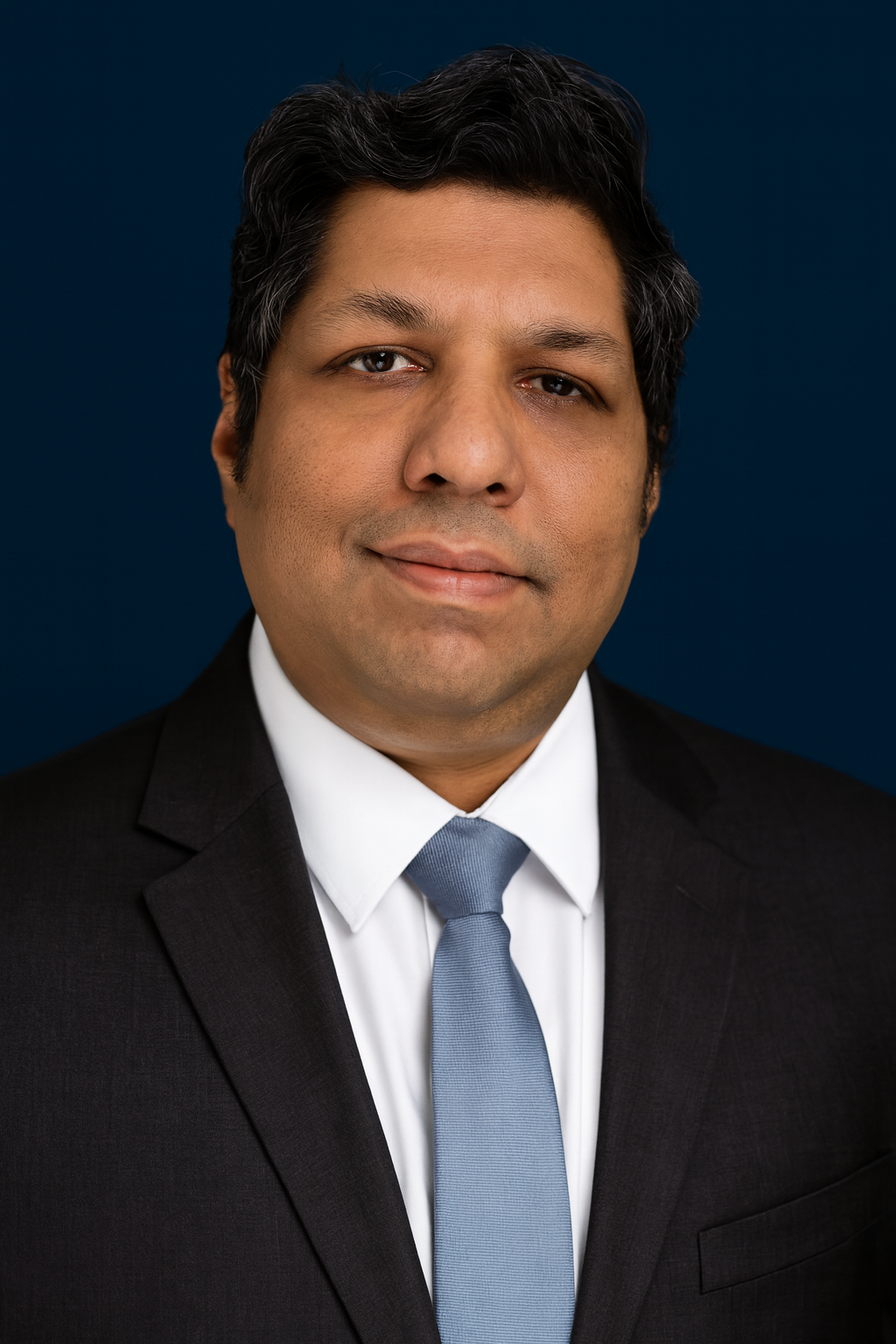
Prasad Govenkar is a seasoned Enterprise Architect and personal finance educator with 24+ years of industry experience. Having worked extensively on financial and telecom systems, he brings a unique blend of technical expertise and practical financial understanding.
Through his blogs, he simplifies complex topics like investing, retirement planning, taxation, and wealth building for everyday readers. His content focuses on clarity, real-world applicability, and long-term financial discipline.
Leave a Reply