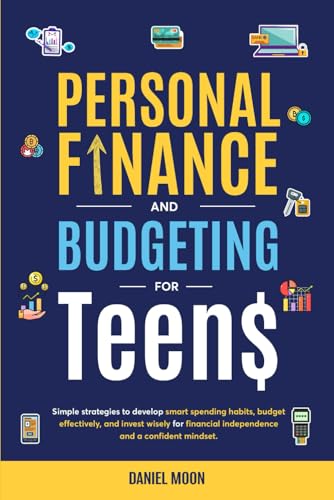
Understanding Personal Finance
Personal finance is crucial for everyone, whether you’re starting your career or planning for retirement. This guide aims to provide you with fundamental concepts to help manage your finances effectively.
Budgeting: The Foundation of Personal Finance
Creating a budget is the first step toward financial stability. Start by tracking your income and expenses. This simple practice allows you to identify spending patterns, prioritize needs over wants, and make informed financial decisions. Consider the 50/30/20 rule: allocate 50% to necessities, 30% to wants, and 20% to savings and debt repayment.
The Importance of Saving and Investing
Building an emergency fund is vital. Aim to save at least three to six months’ worth of living expenses. Once you have a safety net, consider investing. Investment options, such as stocks, bonds, and mutual funds, can help grow your wealth over time. The earlier you start investing, the more you can benefit from the power of compound interest.
Conclusion
In conclusion, mastering personal finance involves budgeting, saving, and investing wisely. By understanding these basic principles, you can achieve financial security and work toward your financial goals.